
A frozen pipe doesn't burst because the ice is sharp. It bursts because ice blocks the line and the water trapped behind it builds pressure until the weakest spot splits. On Long Island, that usually happens on the first hard freeze after a mild stretch, when nobody has thought about the pipes yet. Here's how to keep it from happening in your home, and exactly what to do if it does.
Why Long Island homes are at risk
Long Island doesn't get the deep, steady cold of upstate New York. What we get is swings: a 45° afternoon, then a windy night in the teens. Those quick drops catch pipes that were never insulated because "it doesn't get that cold here." Wind off the Sound or the ocean makes it worse, pulling heat out of walls and crawl spaces much faster than the thermometer suggests.
Many Nassau and Suffolk homes were built in the 1950s and '60s, and later additions, finished basements and converted garages often put plumbing in places it was never meant to be: against a cold outside wall, under a bump-out, or through an unheated garage.
The spots that freeze first
- Kitchen and bathroom sinks on exterior walls, especially when the cabinet doors stay closed and no warm air reaches the pipes.
- Pipes in attached garages, including the line to a laundry area or a garage utility sink.
- Crawl spaces and unheated basements, common under split-levels and additions.
- Outdoor hose bibs (spigots) and the short pipe run just inside the wall behind them.
- Lawn sprinkler lines and backflow valves that weren't blown out in the fall.
- Pipes in attics or near ceiling areas above a cold porch or garage.
What to do before the next cold snap
1. Shut off and drain the outside water
Close the indoor shut-off valve that feeds each hose bib, then open the outside spigot to let it drain. Disconnect and store your garden hoses; a hose left attached traps water in the spigot. If you have an irrigation system, have it winterized before the ground freezes.
2. Insulate the exposed pipes
Foam pipe sleeves from any hardware store are cheap and take minutes to install on pipes you can reach in the basement, garage or crawl space. For pipes that freeze every year, heat tape (UL-listed, installed per the instructions) is worth it. Seal gaps where cold air gets in around pipes, dryer vents and sill plates.
3. Keep the heat at 55°F or higher
Don't drop the thermostat too low at night or while you're away. The air inside an exterior wall is colder than the room you're standing in. If you head south for the winter, keep the heat on and have someone check the house regularly.
4. Open the cabinet doors on cold nights
Under-sink cabinets on outside walls trap cold air. Opening the doors lets warm room air reach the pipes. Move cleaning products out of reach of kids and pets first.
5. Let faucets drip on the coldest nights
A thin, steady drip from faucets on exterior walls, hot and cold, keeps water moving and relieves pressure in the line. It costs far less than a burst pipe.
6. Find your main water shut-off now
Most Long Island homes have the main valve in the basement or utility room where the water line comes through the foundation wall, often near the water meter. Find it today, make sure it turns, and show everyone in the house where it is. In a burst-pipe emergency, those first few minutes make a big difference.
Warning sign: If you turn on a faucet on a freezing morning and get only a trickle or nothing at all, that line may be frozen. Leave the faucet open, turn off the water to that fixture if you can, and warm the pipe gently with a hair dryer or space heater kept at a safe distance. Never use an open flame or torch on a pipe.
If a pipe bursts: the first 30 minutes
- Shut off the main water valve. Stopping the flow comes first.
- Make it safe. If water is near outlets, appliances or the electrical panel, turn off power to that area, but only if you can reach the panel without standing in water.
- Take photos and video of the pipe, the water and anything damaged before you move things. Your insurance company will want them.
- Move valuables, rugs and electronics out of the wet area and lift furniture legs onto foil or plastic.
- Call for extraction and drying right away. Mold can start growing within 24 to 48 hours on wet drywall, carpet pad and wood. Fans from the garage won't dry the inside of a wall.
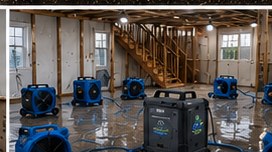
Our crew handles burst and frozen pipe emergencies around the clock: we remove the standing water with emergency water extraction, find hidden moisture with thermal imaging, and dry the structure with commercial air movers and dehumidifiers until moisture readings are back to normal.
Will insurance cover a burst pipe?
Many homeowners policies cover sudden and accidental water damage from a burst pipe. Damage from a slow leak or from a house left without heat may be treated differently. Every policy is different, so read yours or call your agent. What helps every claim: photos from the start, a written moisture log, and a clear scope of work. We document all of that from the first visit, and our insurance claim assistance page explains how we work with adjusters.
Quick answers
What temperature should I keep the house at?
55°F or higher, day and night, even when you're away.
Should I drip my faucets?
On the coldest nights, yes: faucets on exterior walls, hot and cold, a thin steady drip.
What's the first thing to do when a pipe bursts?
Shut the main water valve, make the area electrically safe, take photos, then call a 24/7 water damage team.
Pipe burst? We answer 24/7.
Live dispatch to homes across Nassau & Suffolk County.